Marinus Solutions and Endava Turn Terminal Data Into Intelligence With Claude
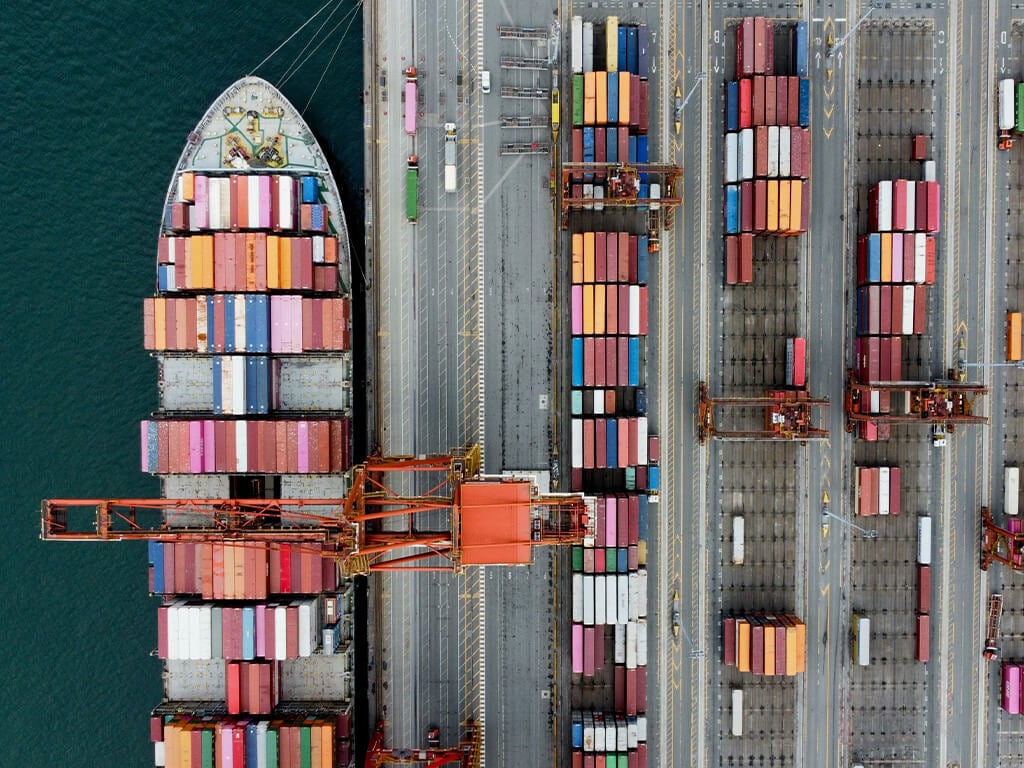
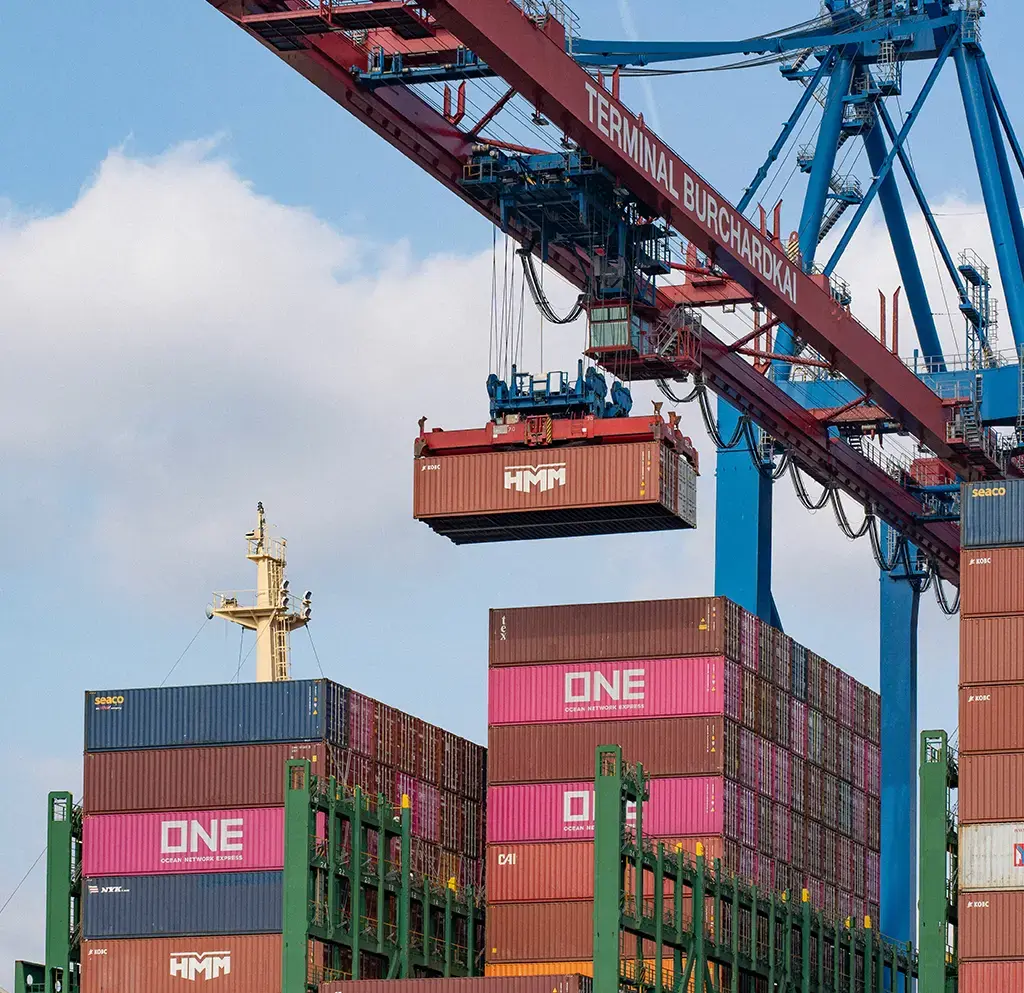
Container terminals generate valuable data across systems – but they don’t always work together. Understanding performance, labour costs and profitability can mean exporting information from several platforms, reconciling it in spreadsheets and relying on specialist knowledge to interpret the results.
As a provider of software solutions for container terminals, Marinus Solutions engaged Endava to develop AskME Terminal Intelligence, a conversational AI solution that helps terminal teams explore operational and financial data by asking questions in plain language.
Users can ask questions such as, “What were the revenue and labour costs for each vessel call last month?” or “Which shifts had the most unplanned container moves last month?” AskME then uses Claude to find and analyse relevant data, applying agreed business definitions to help deliver useful, traceable answers.
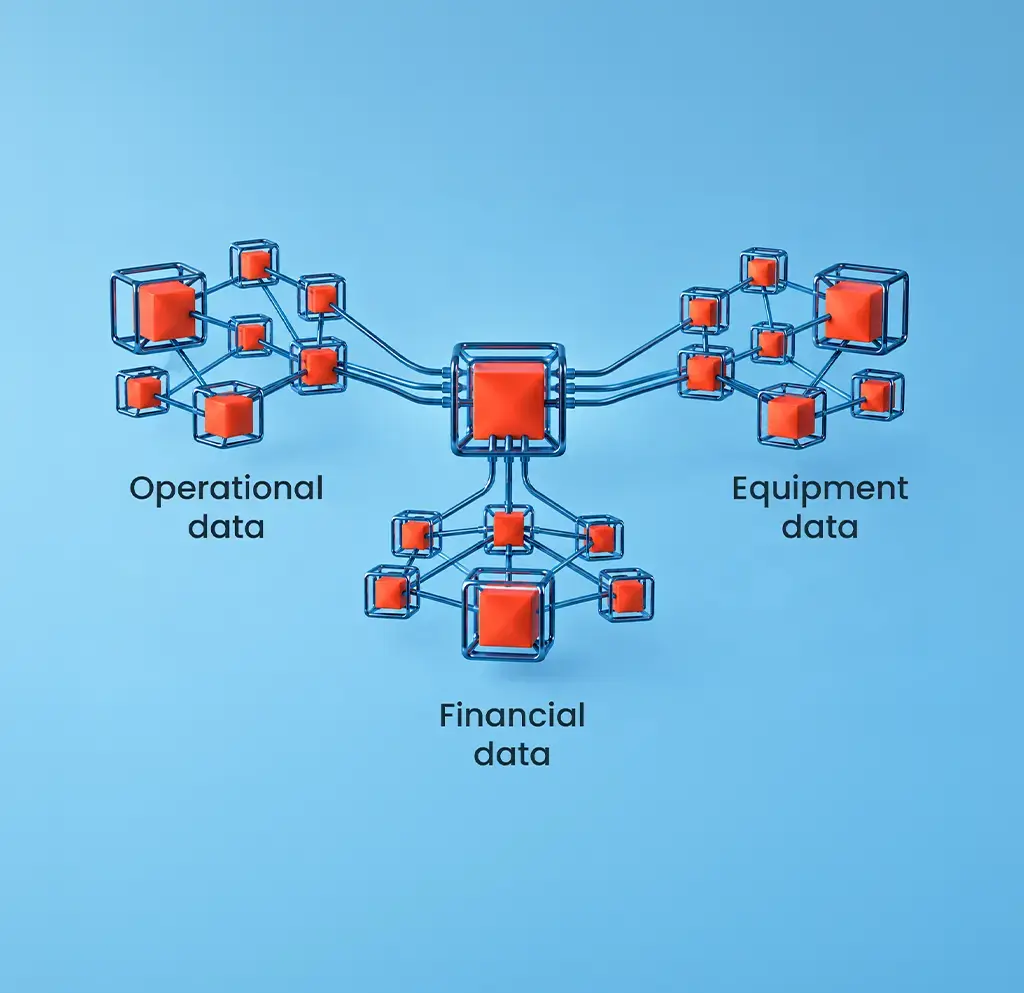
By connecting operational, equipment and financial data through Claude, AskME gives analysts and management direct access to insights that previously required specialised report preparation.
Unlocking valuable insight hidden in manual reporting
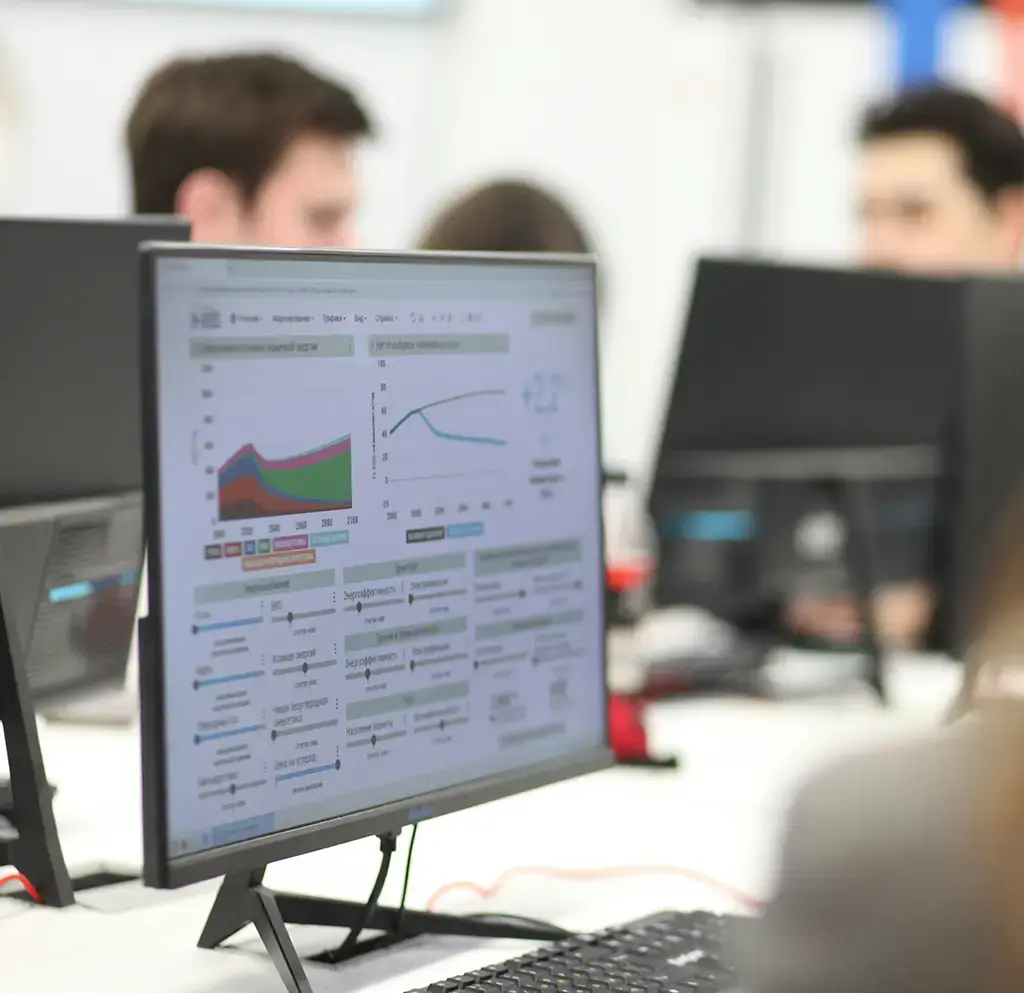
They then matched records, checked calculations and combined the information in Excel. Some analyses also required Python scripts, making the process more difficult for nontechnical users.
Operational analysts compared planned moves with actual equipment activity to investigate yard performance. Finance teams combined payroll costs and billing revenue, matching shifts, container activity, customers and vessels to understand profitability.
The work demanded specialist terminal and finance knowledge, alongside advanced spreadsheet skills. Reports were shared with stakeholders, and each follow-up question could mean another round of manual analysis. The process took time, created opportunities for error and depended on a small number of experienced people.
Marinus Solutions wanted users to be able to explore these analyses through conversation.
Building a trusted analytical foundation
With the source-system owners, we designed data exports and built pipelines into a unified analytical database. Our team made analytical tools available to Claude through the Model Context Protocol (MCP), so Claude could discover and query the relevant data in response to users’ questions.
A central part of the work involved capturing the right knowledge to interpret the data correctly. To do this, we documented datasets, tables, columns, units and codes, and defined approved relationships between sources. Core business rules were also incorporated, including how event timestamps map to operational shifts.
Next we configured and shared a Claude Project with instructions on how to use the tools, apply agreed definitions, explain limitations and ask for clarification when a question needed more context. This gives AskME a consistent way to combine operational activity, labour costs and billing information.
From reports to conversation
AskME now has over ten active users, including analysts, operational staff and management. Through Claude’s conversational interface, they can explore performance, identify gaps and flag data for further investigation. Users can refine their questions and filters in chat, and request Word or Excel reports directly.
For management, this means getting a high-level view of revenue trends, costs or profitability without waiting for an analyst to prepare a report. Analysts can spend less time assembling data and more time investigating what the results mean.
Based on the current use case, AskME is estimated to save about 200 hours per month in report preparation and data analysis across three operational analysts and one senior financial analyst.
Designed with data access and governance in mind, the terminal’s analytical data is held in a dedicated database with restrictions and authentication measures in place. These controls, alongside query auditing and read-only access, make analysis more transparent and traceable while keeping users in control.
A foundation for wider terminal intelligence
By bringing data together and making it easier to explore, AskME is helping turn fragmented information into practical business intelligence – and giving valuable time back to analysts. The solution gives terminal teams a new way to investigate performance, supports faster decision-making and establishes a foundation for broader AI-powered terminal operations.
Explore the industry
Supply Chain and Logistics
Deploy logistics and supply chain systems that get goods on their way promptly, safely and sustainably.